Plots in Barcelona - buy, sell or rent easily

Find plots by category in Barcelona (Province)


Plots for sale with most wanted features
- Urban 136
- Developable 69
- Non developable 24


Latest publications of land and houses for sale in Barcelona (Province)
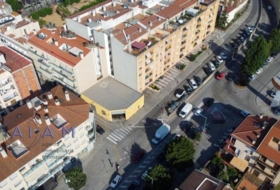
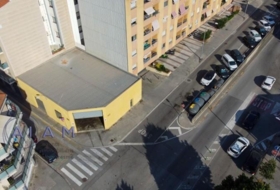
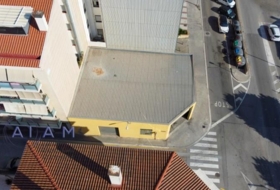
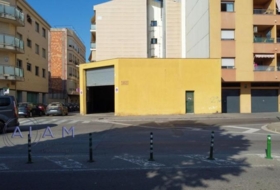
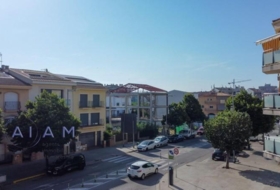
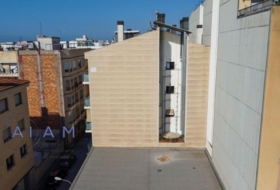
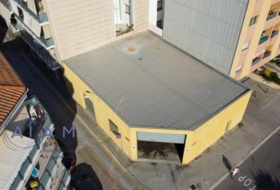
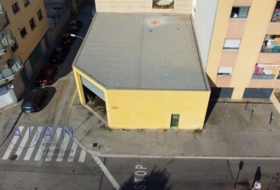
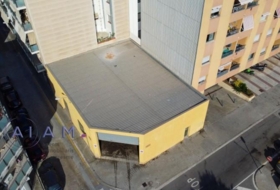
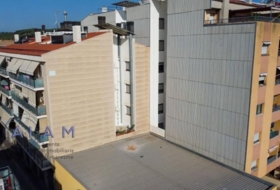
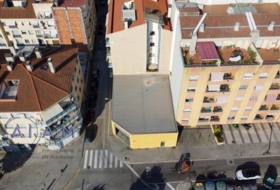
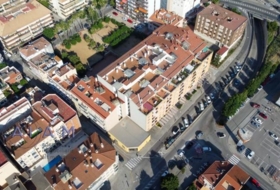
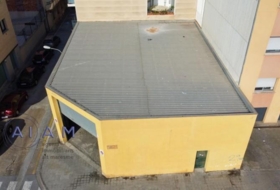

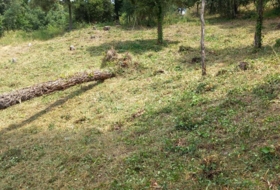
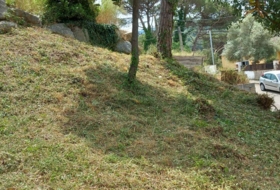
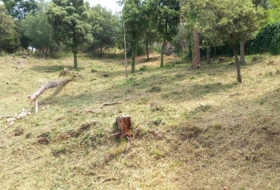





 +3
+3
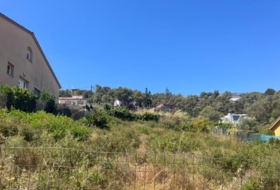
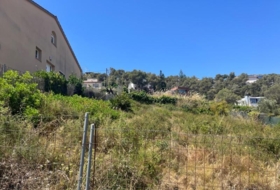
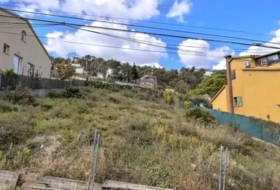
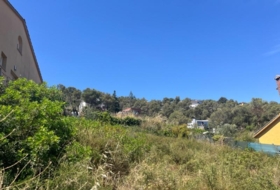

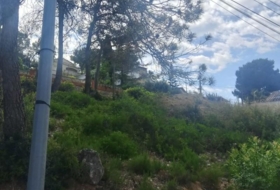
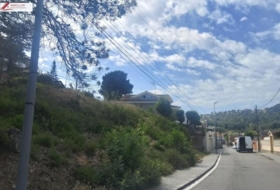
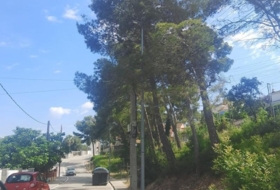
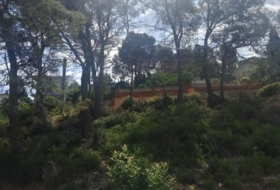

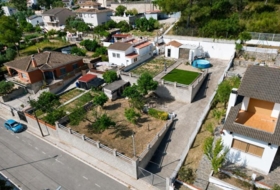
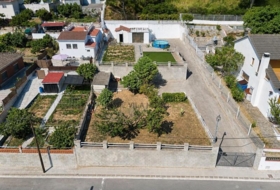
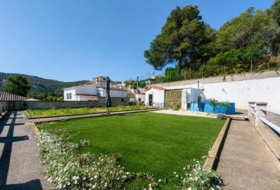
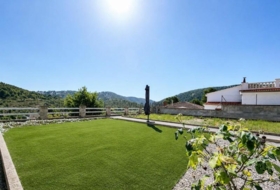
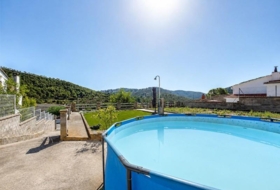
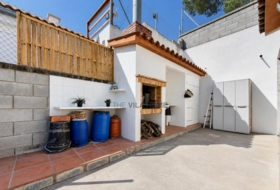
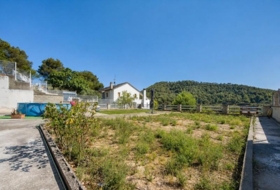
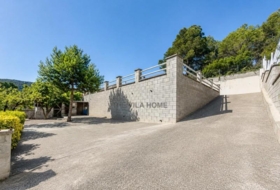
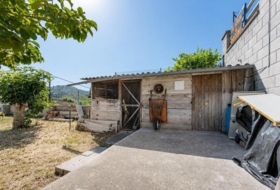
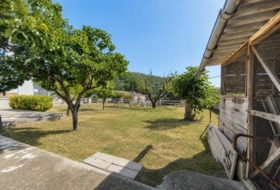
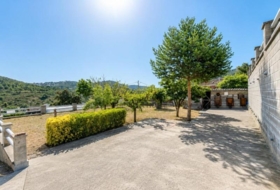
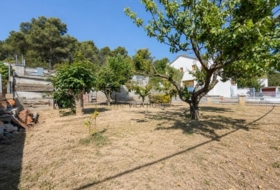
Where to buy land in Barcelona
The average value of the province of Barcelona is one of the highest in Spain (more than €300/m²), especially in the main cities and more specifically in the county, where its scarcity drives prices up. The areas with the cheapest land for sale in Barcelona are Todera with a minimum amount of €0.90/m², Pontons with €1/m² and Barcelona with €1.40/m², which also has one of the highest prices. Undeveloped land is the cheapest type of land in the province, as it is in less demand. On the other hand, the most expensive urban plots are in the same town of Barcelona, Sant Cugat del Vallès, Badalona, Centelles, Dosrius and Santa Maria de Palautordera. And it is because a great part of the population resides in the large municipalities and the coastal area, which generates an increase in demand and a higher average value of urban plots, between €1,000/m² and more than €4,000. /m². The scenario of developable land in Barcelona is like the urban area.
A lush Mediterranean landscape
Barcelona's climate is the Mediterranean, characterized by hot, dry summers and mild winters, with snow in the more mountainous and elevated areas.
The forest area occupies more than 490,000 hectares, with a landscape made up of Mediterranean forest with different species of conifers, broadleaf, and scrub.
Being an area with a high proportion of forests and mountains, we find large areas of agricultural and mountain interest. Most of it is made up of land protected by regulation.
Barcelona is the second Spanish province with the highest density of forest area, with 33,000 trees per square kilometre, which are spread over its four natural parks: Cadí Moixeró, Montserrat, Sant Llorenç del Munt I Serra de l'Obac and Montseny.
The landscape determines land use at the tourist and residential level, as well as in the local economy.
In some of the forests, plantations of species are carried out for later management in the production of wood and the manufacture of derived products. Approximately more than 260,000 m3 of coniferous wood and more than 10,000 hardwoods are generated per year.
A specialized and industrialized agricultural sector
The agricultural sector is very varied and is specialized at the regional level, where high-quality typical products are produced, such as wine and cava from the Penedés or strawberries from the Maresme. In most rural areas, the land is worked respecting the environment, through organic farming, which provides added value to the territory.
The most common irrigated crops are corn, sunflower, alfalfa, wheat, and barley. As well as fruit trees and horticultural products (potatoes, lettuce, cabbage, tomatoes, broad beans and beans).
In those of dry land, they fit the olive trees, the almond trees, the vineyard, the barley (it is the predominant one), the fruit trees, the wheat, the sunflower, and the legumes.
The most outstanding livestock units are pigs (more than 380,000), cattle (more than 91,000), poultry (more than 44,400), sheep (more than 15,000), horses (more than 4,500), rabbits (more than 2,500) and goats. (Over 1,800).
The region concentrates a large part of the agri-food industries linked to livestock: dairy companies, meat companies and feed factories.
Industrial forms of production have been implanted on farms in a process of modernization, such as, for example, in the region of Osona, one of the most important in terms of livestock, especially pigs.
The province of Barcelona has more than 340,000 hectares of useful agricultural land. Regarding the value of agricultural land, irrigated land is five times higher than dry land. The land is cheaper as we move away from the urban centres. In Catalonia, 94% of the surface is undeveloped land since the model of sustainable urban development prevails.
An internationally connected leading industry
More than 180,000 companies are based in the province of Barcelona. By sectors, services (81%), industry (10%), construction (9%) and agriculture (0.4%) stand out.
It is an exporting region with good communication networks. It has means of transport connected internationally. One of the busiest ports in the Mediterranean is Barcelona capital.
Great importance is given to the singularity of the local production of specific and unique products since design and innovation are essential added values, present in all articles.
In addition, there is great geographical diversification among exporting companies with a leading, diverse and avant-garde industry, which distributes capital goods and consumer goods worldwide (machinery, office equipment, telecommunications, transport equipment, textiles, footwear, toys). , jewellery, leather, iron and steel, metals non-ferrous, chemical products, construction material, automotive products and the food industry-food, beverages and tobacco appliances, consumer electronics and furniture).
In all urban centres or close to them we find industrial estates. The value of urban plots in Barcelona increases in the first crowns of the capital, decreasing as they move away. Airport areas are in high demand, plots are small and mostly already occupied.
Land planned for the logistics sector is also in high demand and its price is on the rise due to its scarcity, both for sale and for rent, especially in the "prime" areas, closer to Barcelona.
A multicultural and avant-garde society
The province of Barcelona, located in the northeast of the country, is the second most populous in Spain with more than 5,000,000 inhabitants and has an area of 7,726 km². Its long industrial and agricultural tradition has been surpassed by the tertiary sector in recent decades.
Most of the population lives in the metropolitan area of the city of Barcelona, a source of employment and wealth that has given rise to a multicultural society.
Most of the land is consolidated urban (solar), if we talk about developable land in Barcelona, most of it is delimited or sectored. It stands out for being a place where innovation is present at all levels. The development of all its economic sectors and its expansion make this region one of the richest in the country. Consequently, the land is in high demand, both due to its high population density and the need for space by companies, which means that its value is high.